Pine, Walnut or Maple: Which Timber Is Right for Your Furniture?
Pine, walnut and maple each bring a different grain, colour, weight and character. Compare the three before choosing timber for a made-to-order piece.
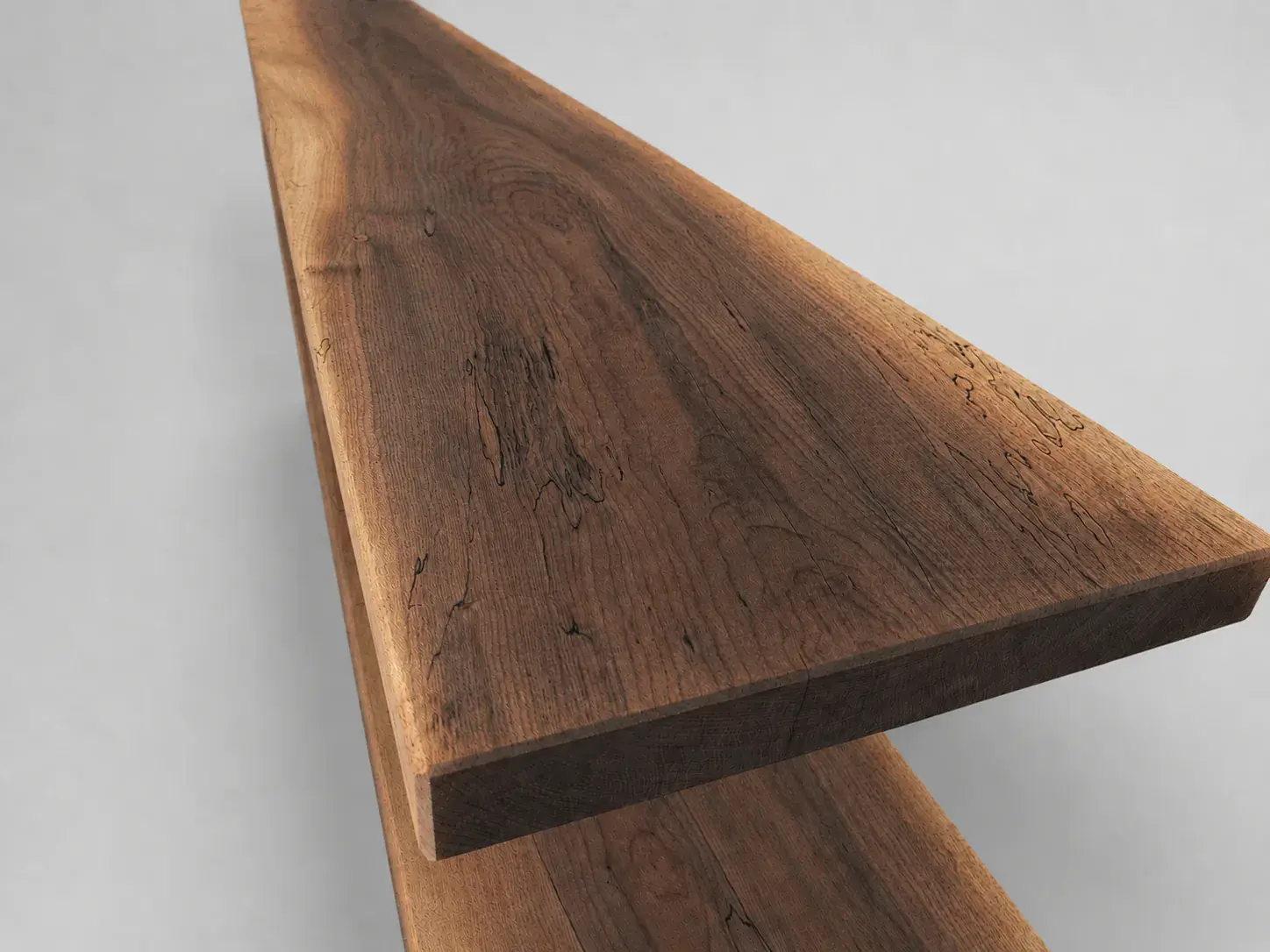
Timber choice changes more than colour. It affects the grain, weight, feel, price and the way a piece settles into a room. Pine, walnut and maple can all make lasting furniture, but they do not create the same visual result. The best choice begins with the character you want and the demands of the design.
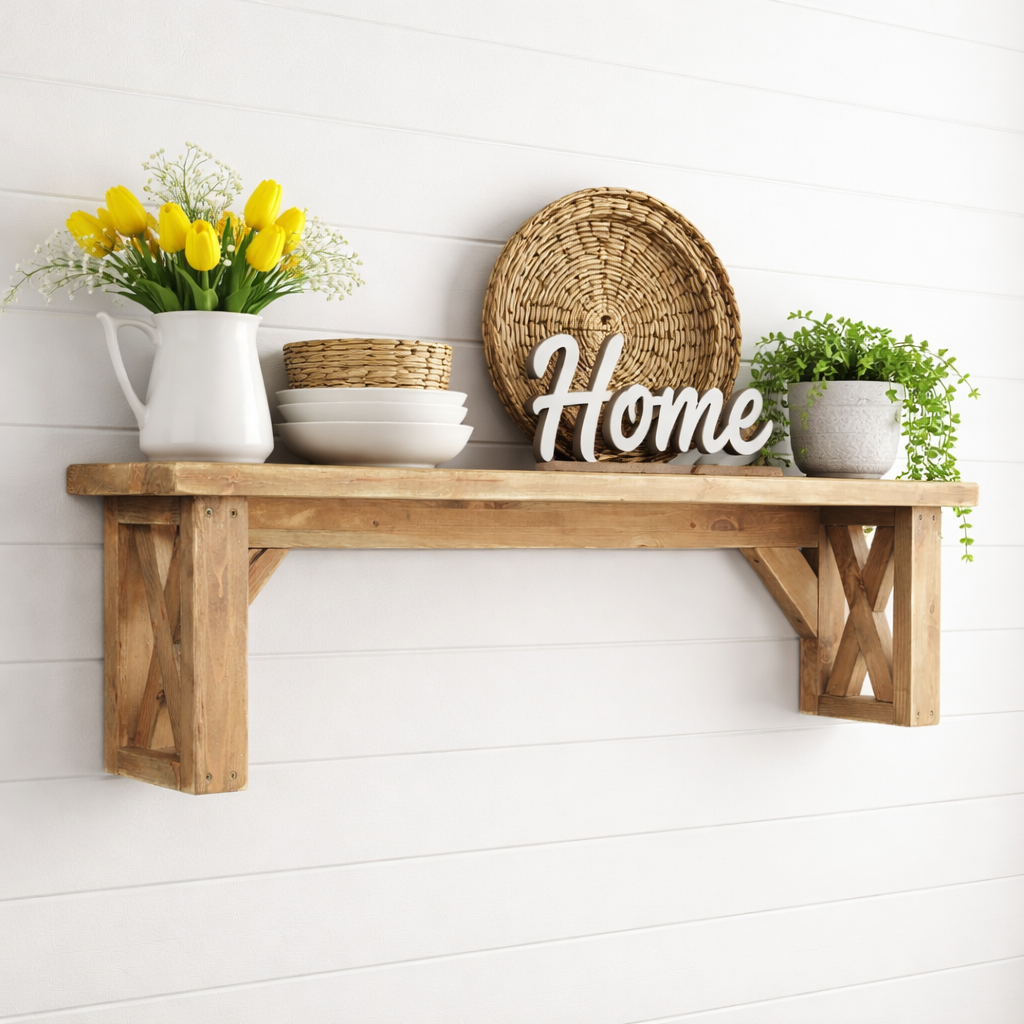
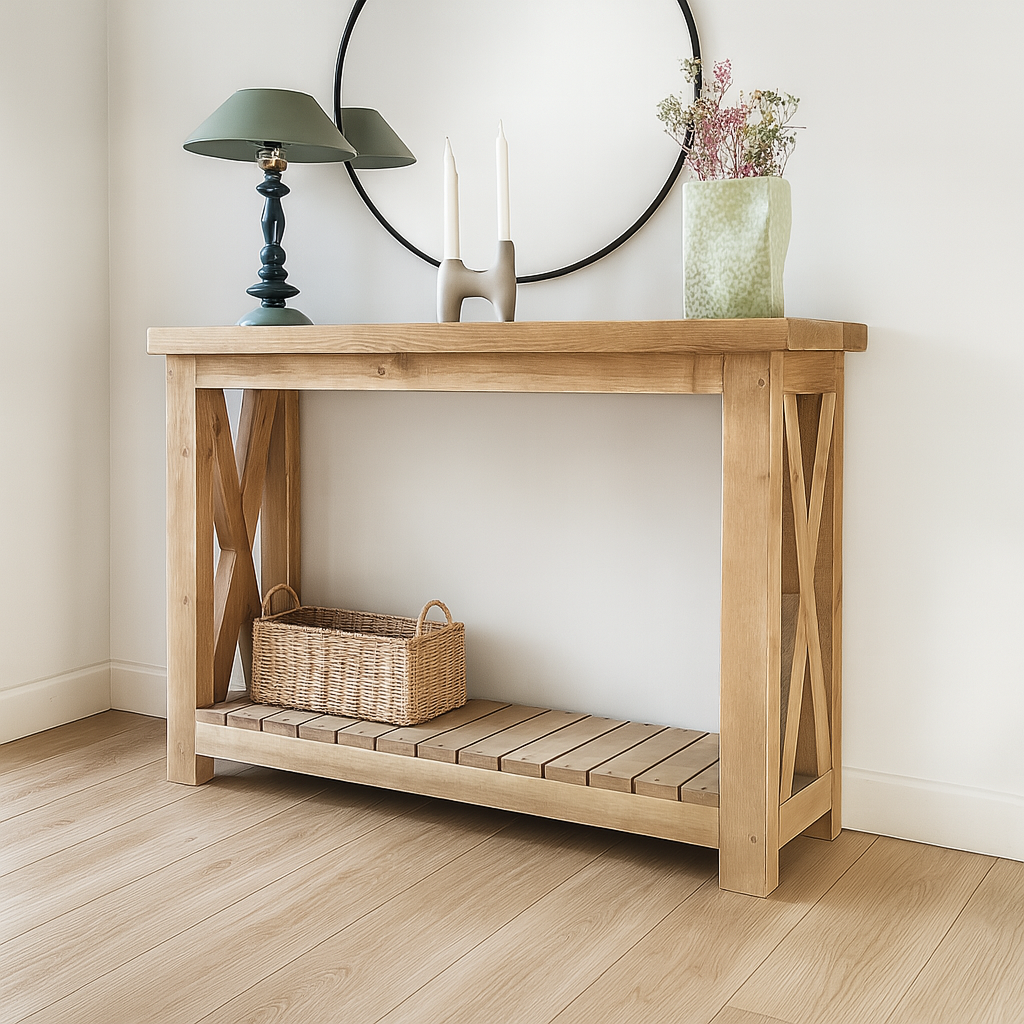
Pine: warm, expressive and naturally rustic
Solid pine is the core material for most current Wood and Loom pieces. Its visible knots and strong grain give furniture an immediate handmade character. Pine accepts stain well, offers useful strength without excessive weight and keeps made-to-order furniture more accessible than many hardwoods.
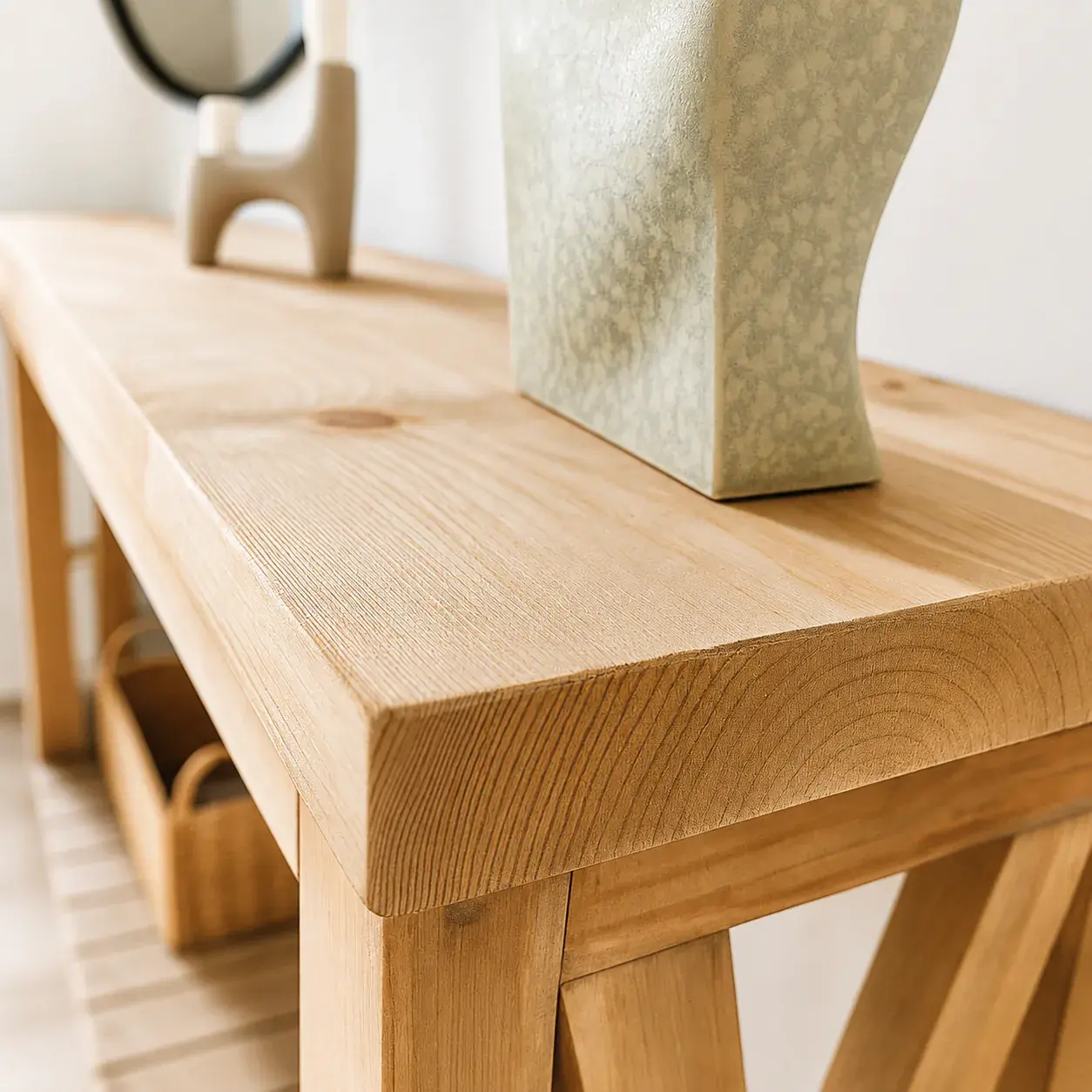
- Best for warm rustic interiors and visible natural texture.
- Usually lighter and more affordable than walnut or maple.
- Takes coloured stains well.
- Softer than hardwood, so everyday marks can develop more readily.
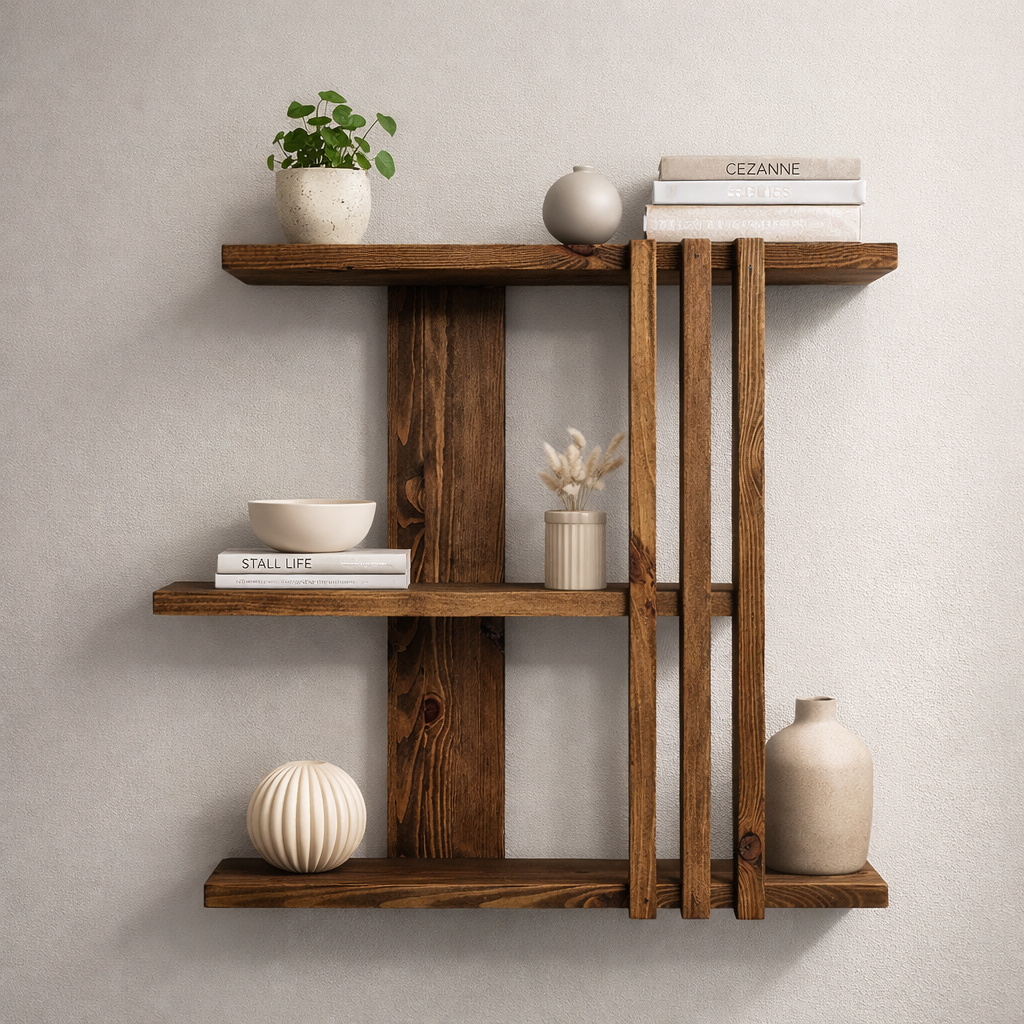
Walnut: deep colour and refined movement
Walnut brings naturally rich brown tones, flowing grain and a calmer, more refined presence. It works particularly well for media units, shelving and statement furniture where the timber itself should carry much of the design. Walnut is denser and generally more expensive, so dimensions and availability need to be confirmed for each custom project.
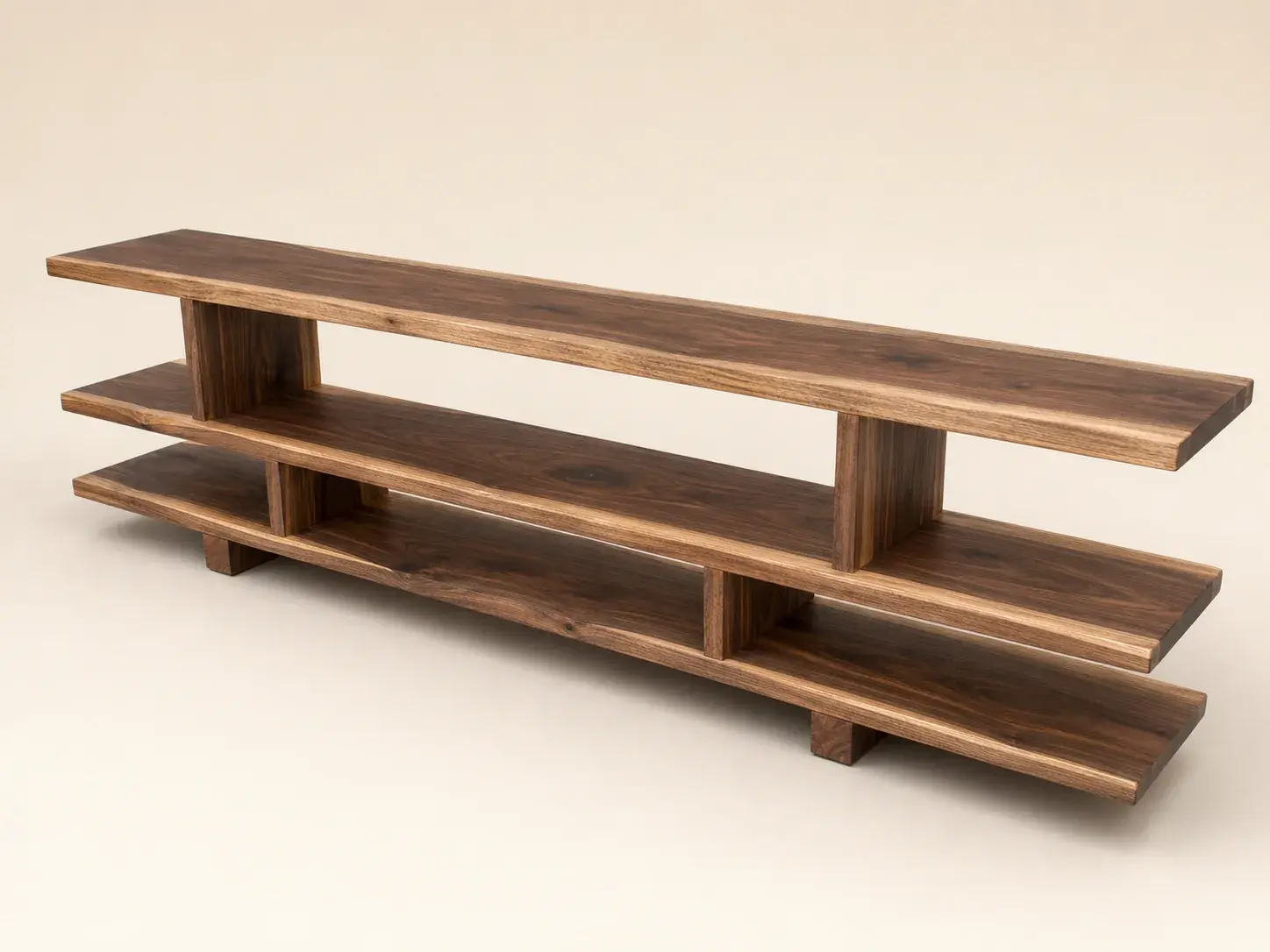
- Best for furniture where natural colour and grain are a focal point.
- A hardwood with a substantial, premium feel.
- Naturally darker than pine and maple.
- Higher material cost and more limited availability for very large pieces.
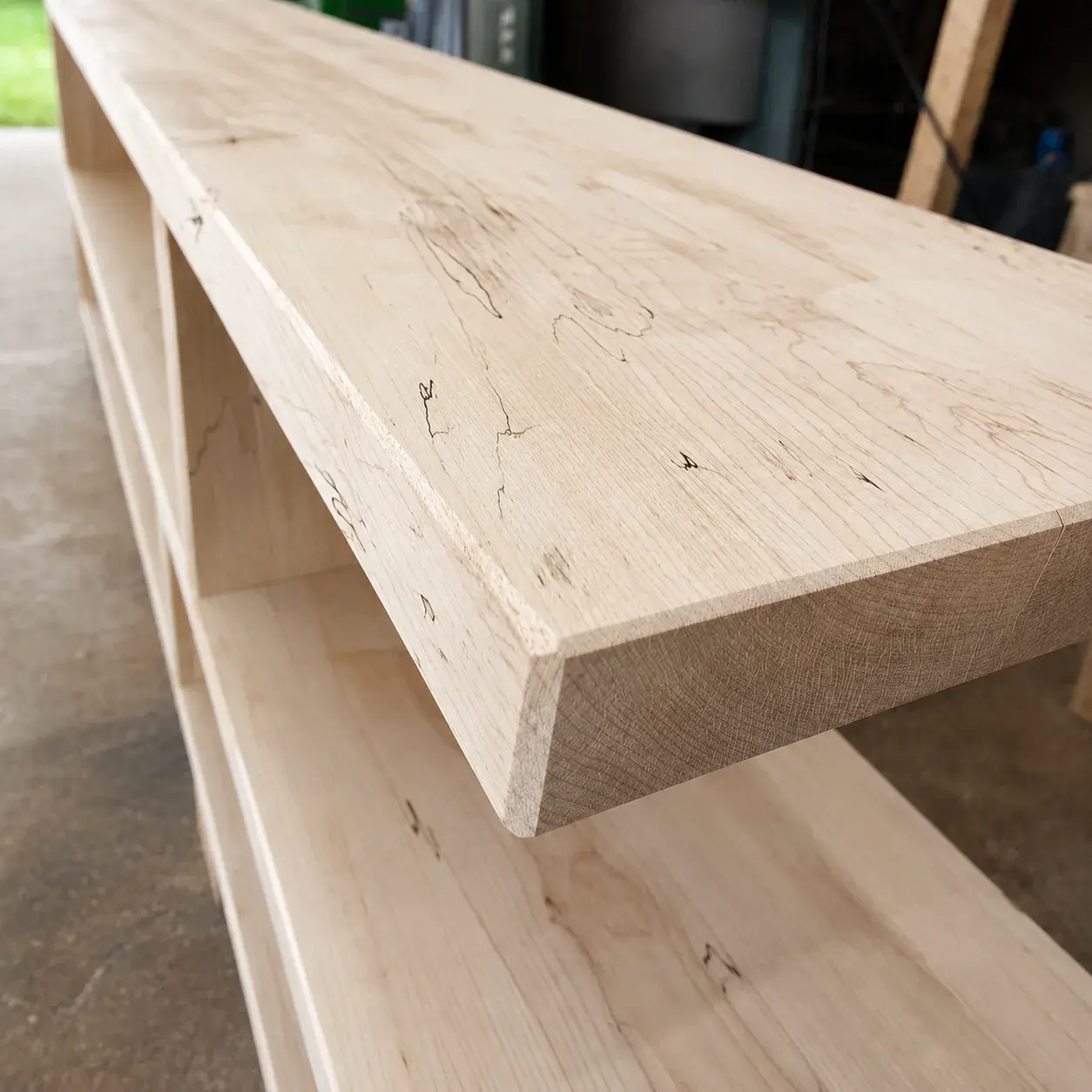
Maple: pale, clean and quietly detailed
Maple is a light-coloured hardwood with subtle grain and a clean visual character. It is a strong choice for brighter rooms, contemporary interiors and designs where a pale timber surface matters. Figured or spalted sections can introduce distinctive natural lines, but these features vary and should be selected with the individual piece in mind.
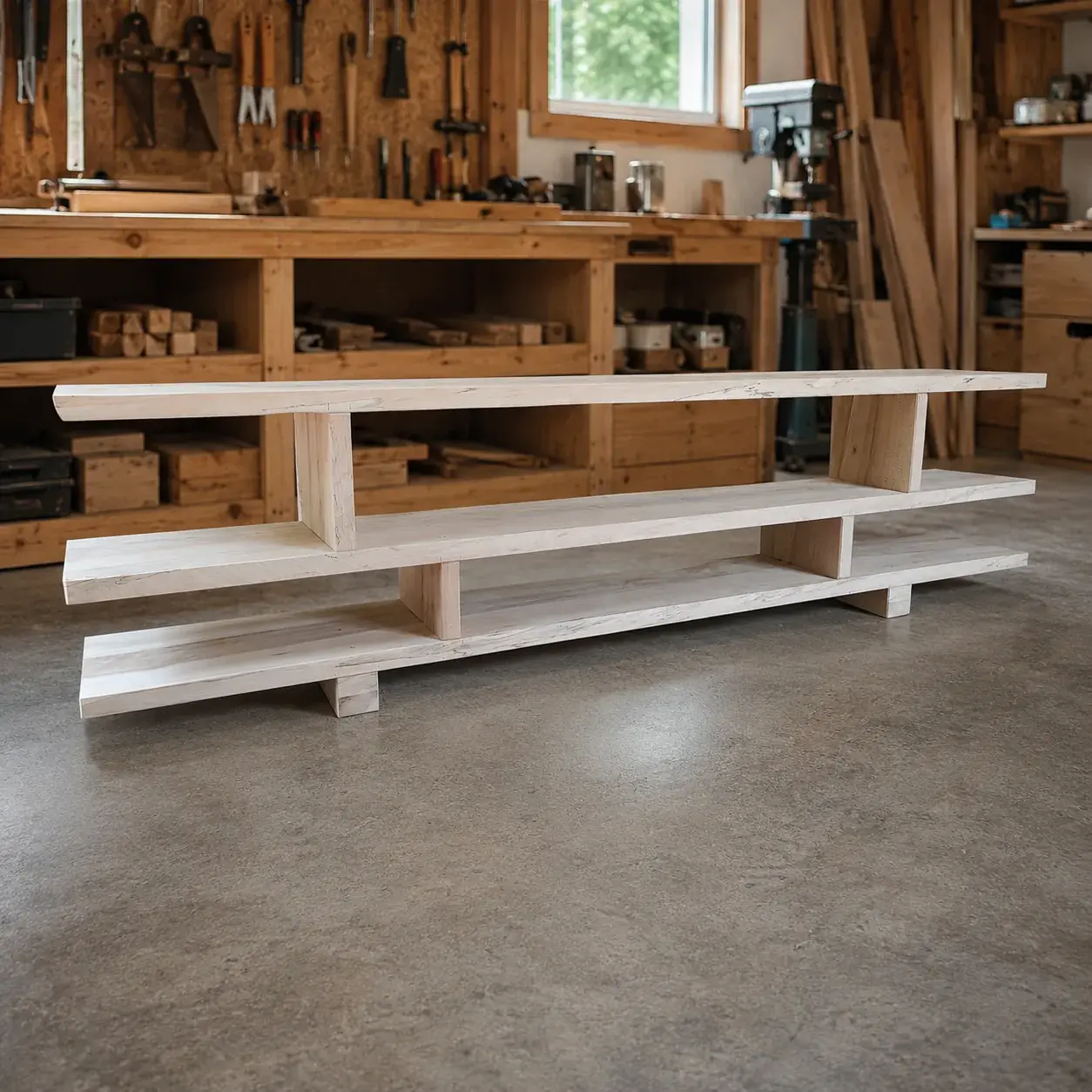
- Best for light interiors and quieter grain.
- Hard and durable with a smooth finished surface.
- Naturally pale, so it does not imitate the appearance of walnut.
- Availability and figure can vary between boards.
A practical comparison
Choose pine when you want warmth, texture and flexible sizing at a more accessible price. Choose walnut when rich natural colour and a substantial premium feel are central to the design. Choose maple when the room needs a pale hardwood with strength and a cleaner visual language. None is universally better; each supports a different result.
The right timber is the one whose natural character already moves the design in the direction you want.
What to send with a timber enquiry
For walnut or maple, send the product name, approximate dimensions, destination and a photograph of the room if possible. We can then consider the design, material availability, expected weight, lead time and finish before confirming what is realistic.