How to Choose the Right Wood Finish for Your Furniture
A finish changes the colour and mood of solid wood while leaving its natural grain visible. Learn how to compare tones in your own room before ordering.
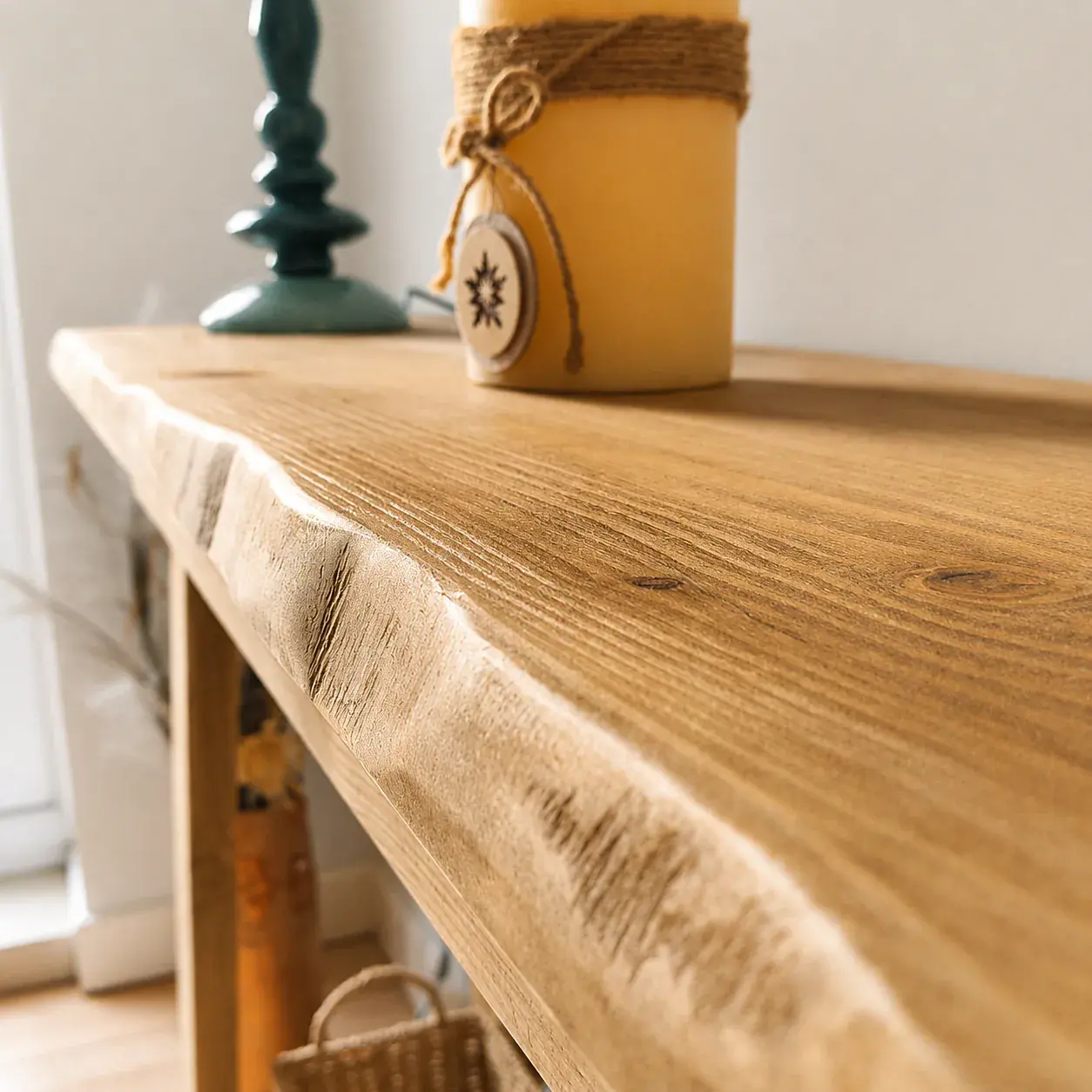
Choosing a wood finish from a screen is difficult because colour is never seen in isolation. Daylight, warm bulbs, flooring, wall colour and the timber beneath the stain all affect the final impression. A useful decision begins with the room and the natural material, not only with the name printed beside a colour sample.
Timber and finish are not the same thing
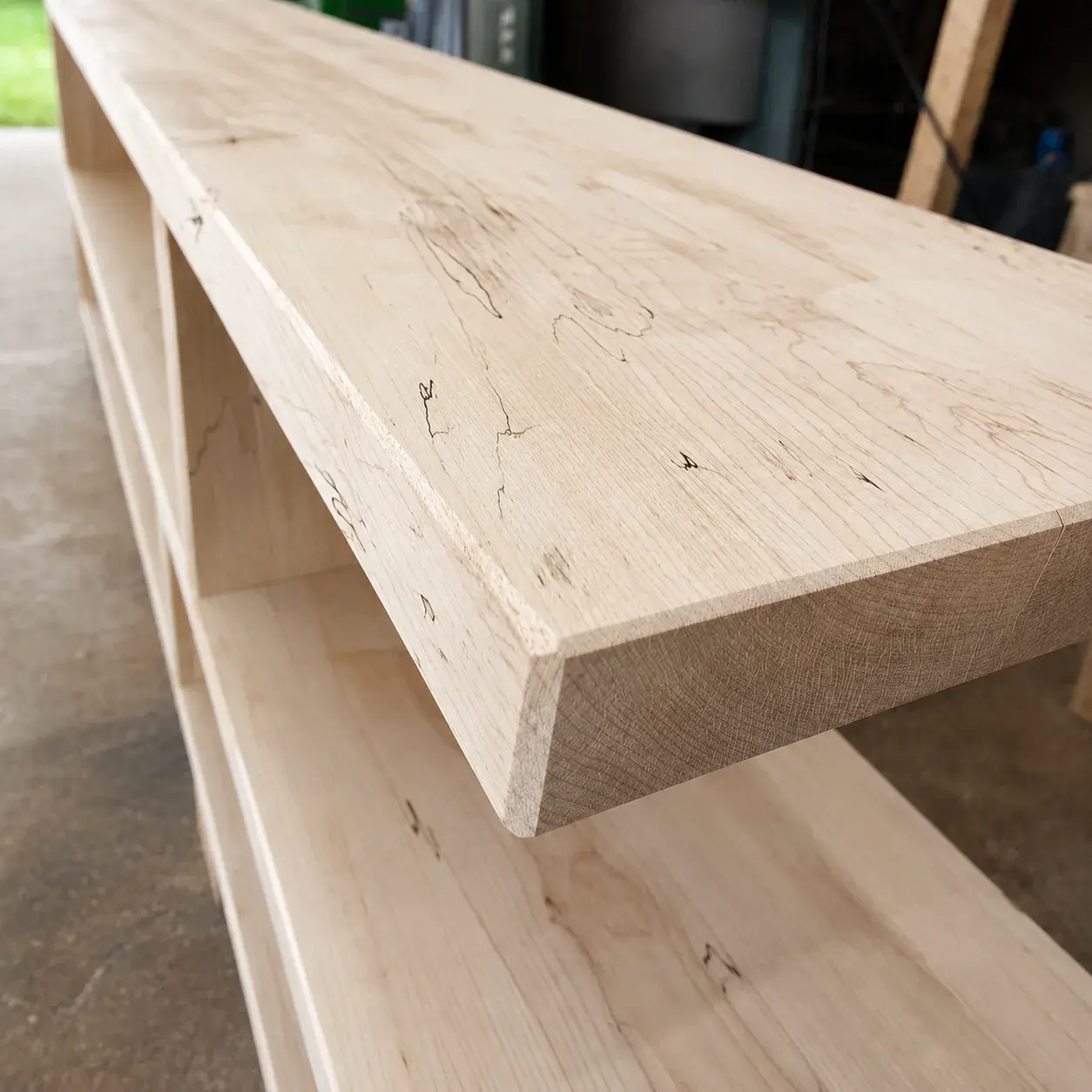
Timber determines the underlying grain, knots, density and natural colour. Finish adjusts the tone and protects the prepared surface, but it does not turn one species into another. Pine stained in a walnut tone remains pine: its grain and knots will still differ from solid walnut. This distinction is important when comparing a finish option with a hardwood upgrade.
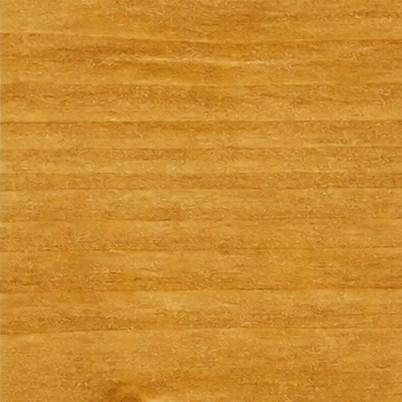
Golden Oak: light, warm and easy to place
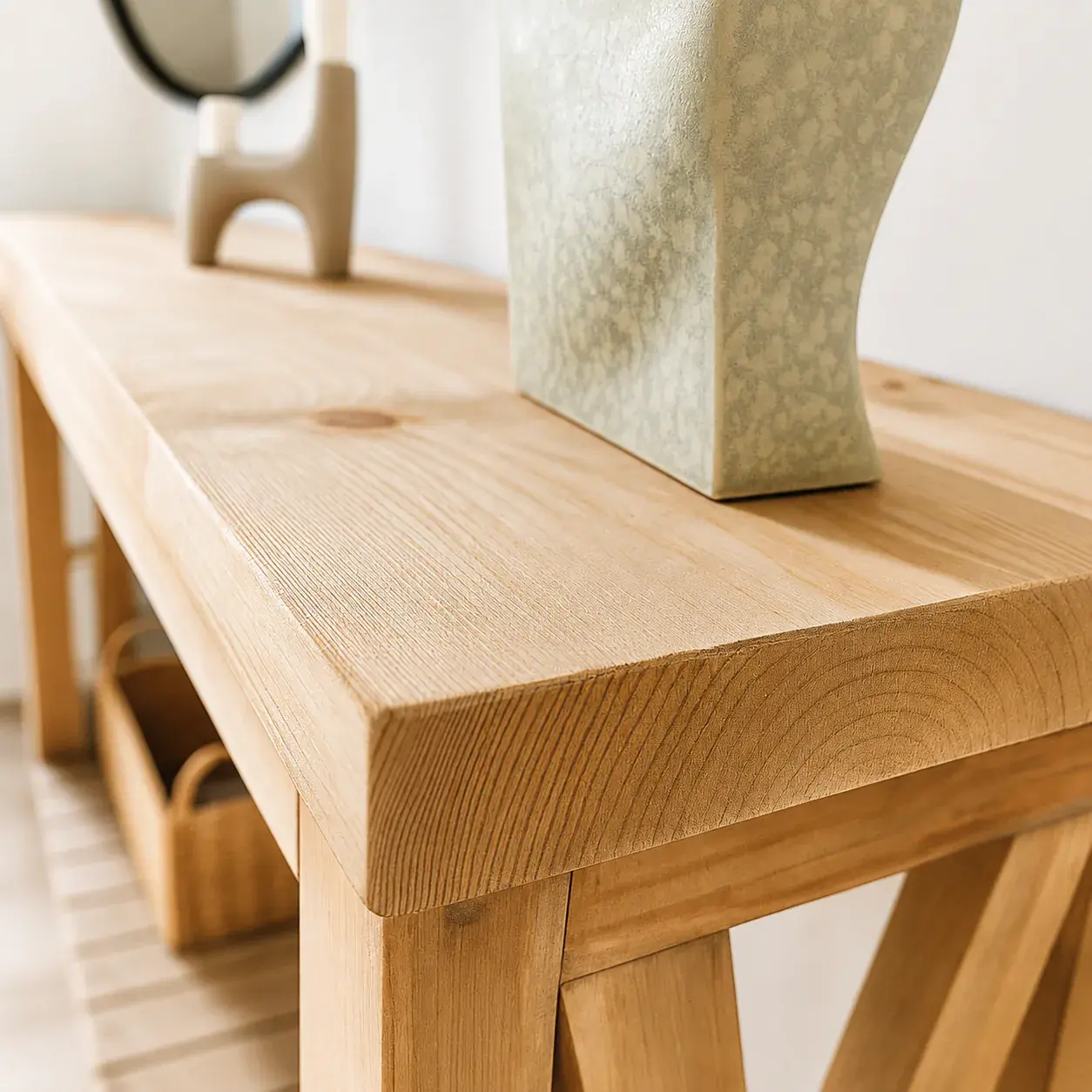
Golden Oak introduces a warm honey tone while allowing much of the lighter character of pine to remain visible. It can suit bright rooms, neutral interiors and hallways where a very dark surface might feel heavy. It also works well when the aim is warmth rather than a strong colour contrast.
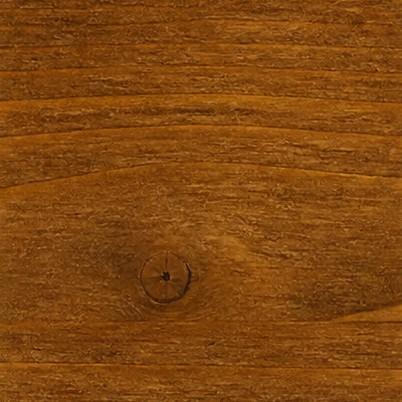
Walnut tone: deeper and more grounded
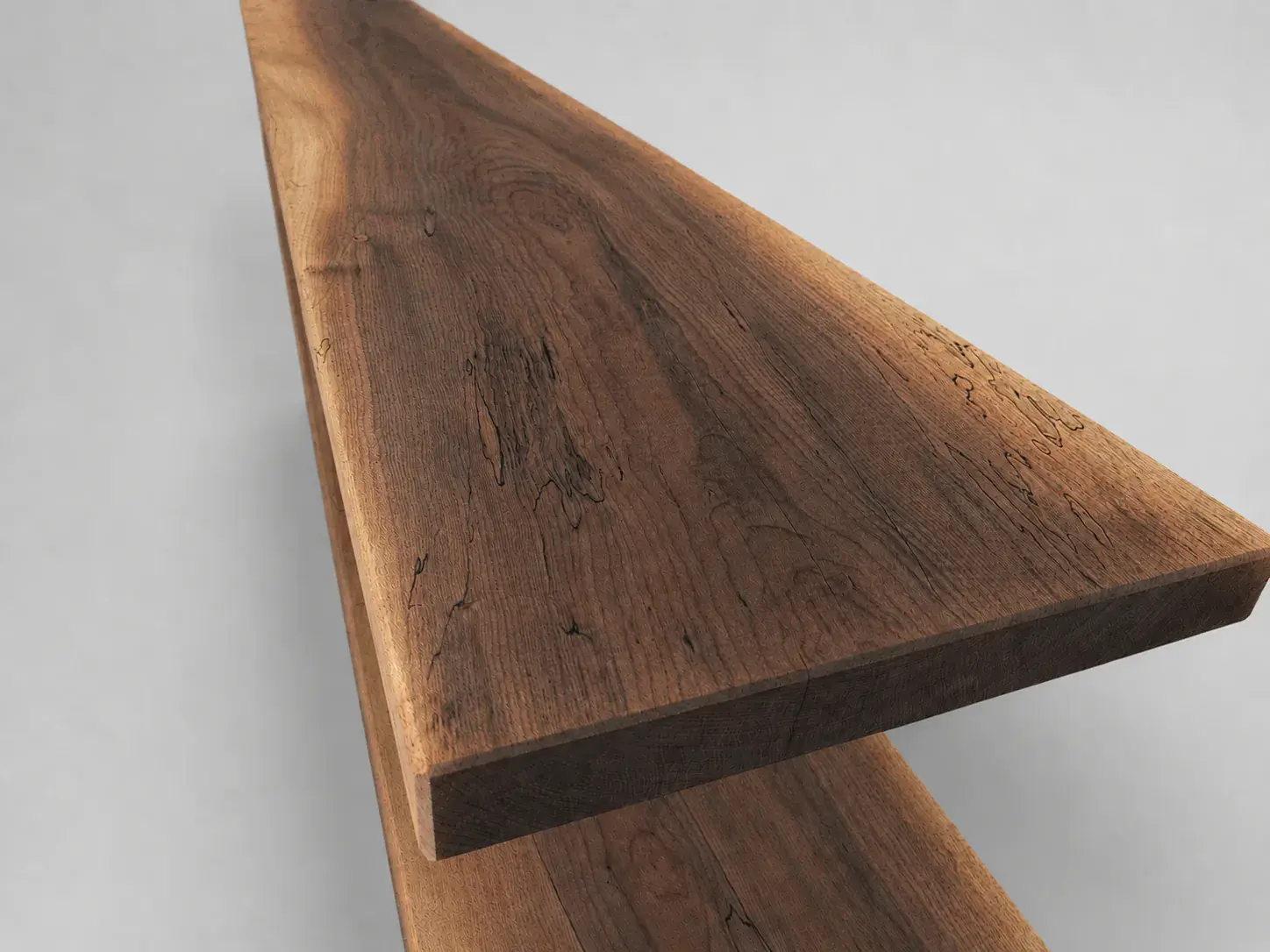
A walnut-toned stain gives pine a medium to deep brown appearance. It can connect well with leather, darker flooring and rooms that need a stronger visual anchor. Remember that walnut tone is a colour option, not solid walnut timber. If the natural grain and colour of walnut itself are central to the design, discuss walnut as a material rather than selecting only the stain name.
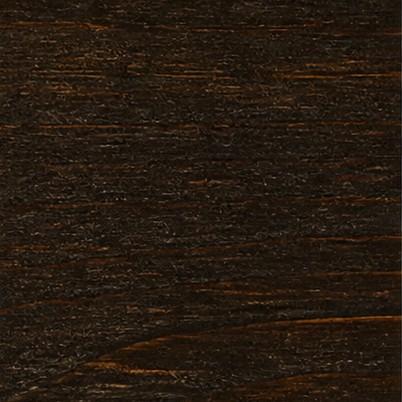
Wenge: dark and high-contrast
Wenge is a very dark brown finish that gives furniture a more graphic presence. It can work in larger, well-lit rooms or where the furniture should contrast with pale walls. Dark finishes show dust and certain surface marks more readily, so consider both the visual effect and the way the piece will be used.
Judge the finish in the room's real light
North-facing daylight can make a finish appear cooler, while warm evening bulbs can bring out amber or red notes. View samples at different times of day and place them near the floor, wall and furniture they must relate to. A colour that looks balanced on a bright phone screen may feel much darker in a hallway with limited daylight.
Coordinate rather than match perfectly
Trying to match an existing timber exactly is rarely reliable from photographs. Different species, stains, ages and protective coatings change colour in different ways. It is often better to choose a tone that belongs to the same warm or cool family, or to create a deliberate contrast, instead of expecting two unrelated pieces to look identical.
A good finish should support the room while allowing the timber's grain and natural movement to remain part of the furniture.
Think about the whole piece
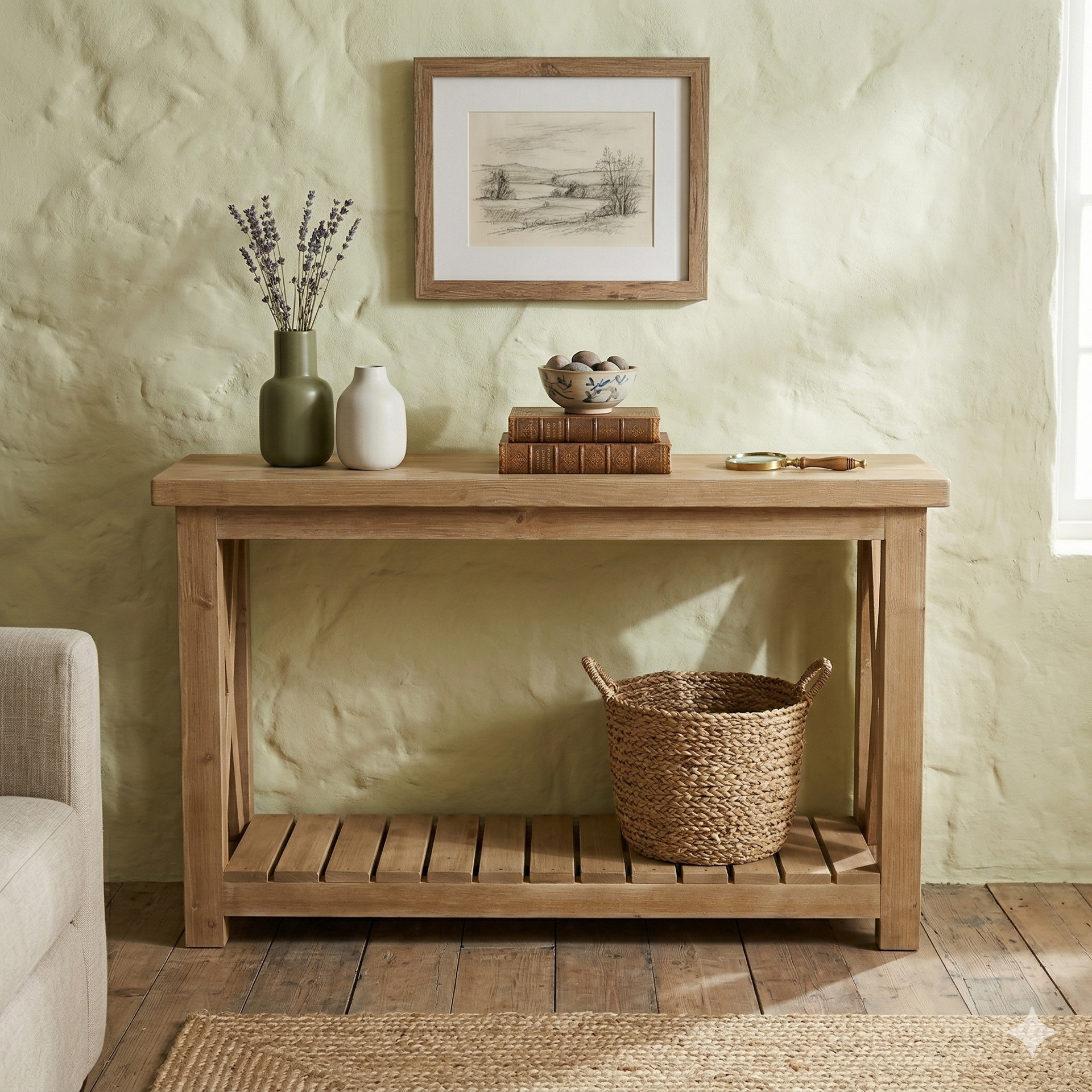
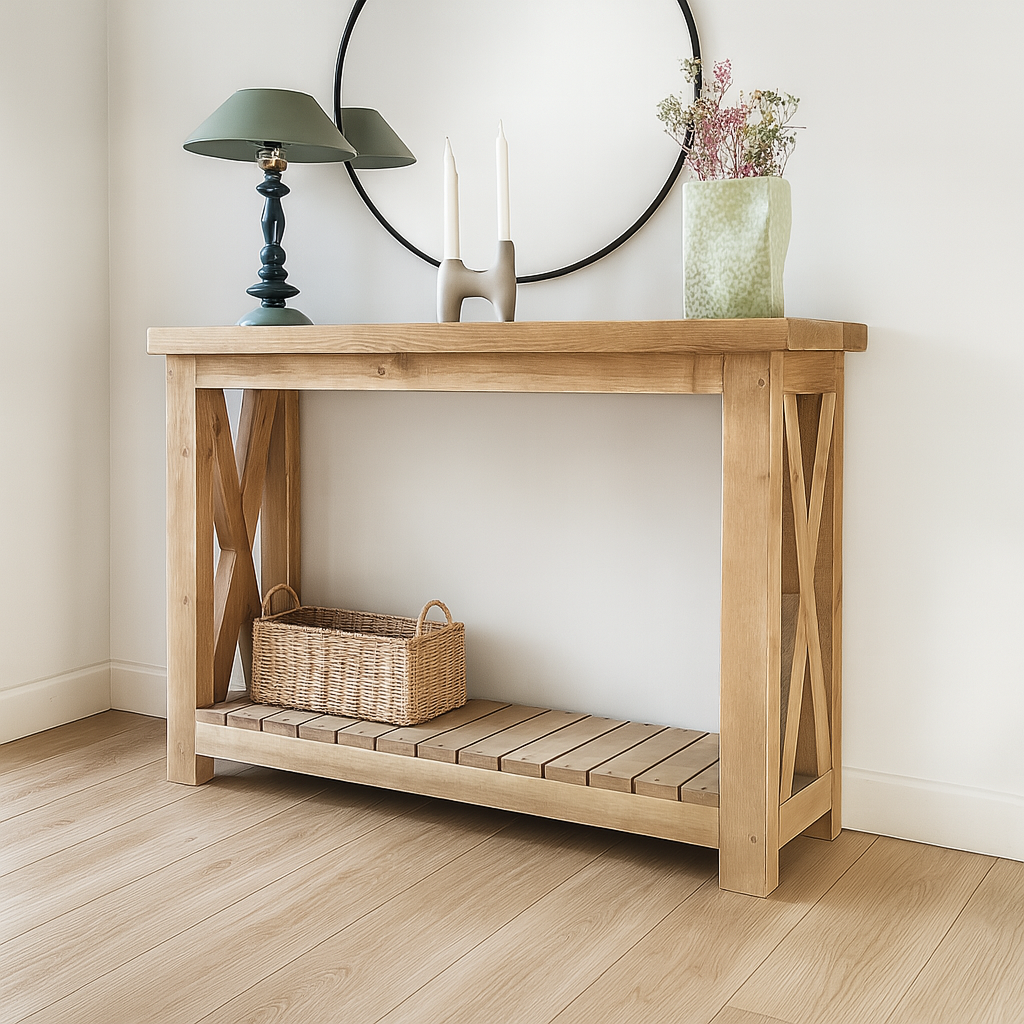
A small sample concentrates the colour, but a console table or long media unit spreads that colour across a much larger surface. Dark tones can feel more dominant at scale. Use photographs of complete furniture as a guide, then use the sample to understand tone and grain rather than judging either source alone.
A finish-selection checklist
- Identify the timber species beneath the finish.
- Compare samples in daylight and evening light.
- Place the sample beside the floor, wall and nearby furniture.
- Decide whether you want the piece to blend in or create contrast.
- Consider how a dark or light tone will look across the full size of the furniture.
- Request a physical sample when an exact relationship with existing furniture matters.
Natural grain, sanding and lighting mean that small variations are expected even within the same finish. Those differences are part of real wood. The aim is not a perfectly uniform factory colour, but a tone that works with the room and allows the material to retain its character.