How to Care for Solid Wood Furniture and Preserve Its Finish
Simple everyday care helps solid wood furniture retain its colour, texture and stability. Learn how to clean, position and protect a handmade piece.
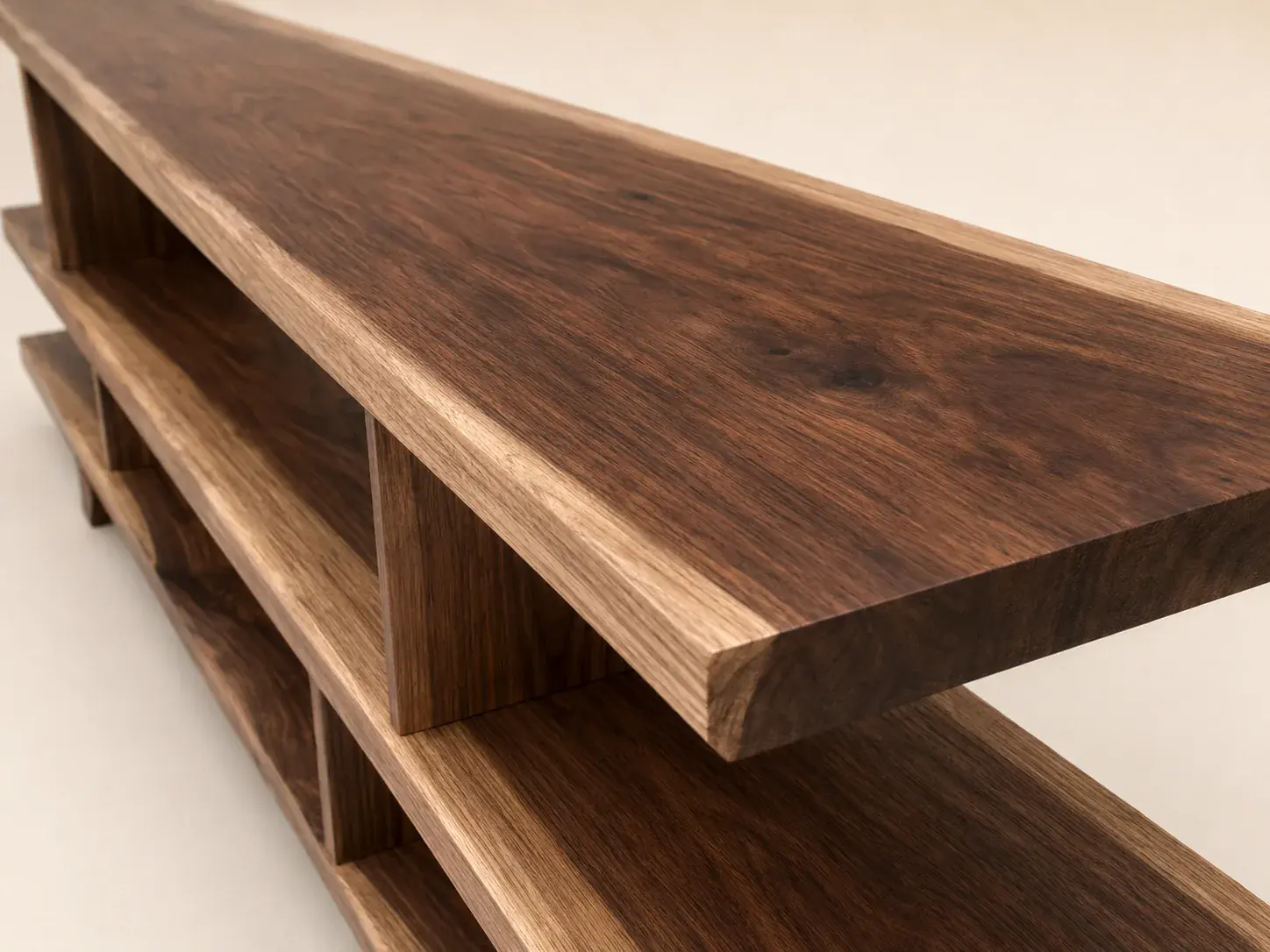
Solid wood furniture is made from a living natural material. Even after it has been cut, dried and finished, timber continues to respond gently to its surroundings. Regular care does not need to be complicated. A few consistent habits will protect the surface and allow the piece to age naturally.
Dust gently and clean with restraint
For routine cleaning, use a soft dry microfibre cloth. If the surface needs more, slightly dampen the cloth with clean water and wipe in the direction of the grain. Dry the area immediately. Avoid soaking the surface or allowing moisture to gather around joints and edges.
- Use a clean, soft cloth rather than abrasive pads.
- Apply water to the cloth, never directly to the furniture.
- Avoid bleach, ammonia, silicone sprays and aggressive household cleaners.
- Test any unfamiliar product on a hidden area first.
Respond to spills quickly
Blot liquid with an absorbent cloth instead of rubbing it across the surface. Pay particular attention to wine, coffee, oils and strongly coloured liquids. Coasters, placemats and felt pads are simple protections for surfaces that are used every day.
Protect the surface from heat and sharp objects
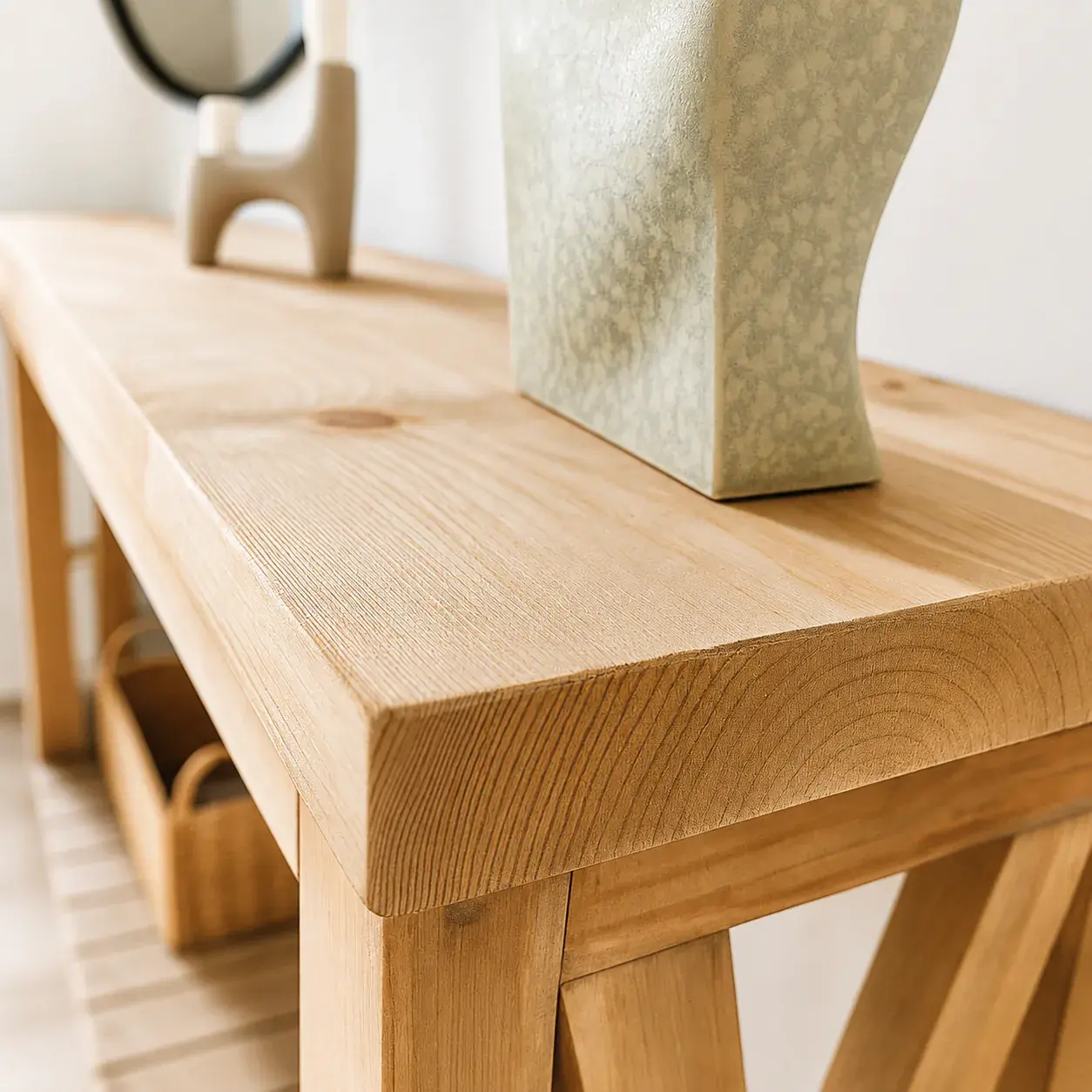
Do not place hot pans, heaters or recently used appliances directly on timber. Use heat-resistant mats and lift objects rather than dragging them. Lamps, ceramics and decorative pieces can benefit from felt pads, especially if they remain in one position for long periods.
Allow timber to live in a stable room
Large swings in temperature or humidity can encourage timber to expand, contract or move. Keep furniture away from direct contact with radiators, stoves and persistent damp. Normal seasonal movement is part of real wood, but a stable indoor environment helps keep it modest and predictable.
Be aware of direct sunlight
Sunlight can gradually change the colour of timber and finishes. This ageing is natural, but strong uneven exposure may leave one area different from another. Where practical, rotate decorative objects and use curtains or blinds during periods of intense direct light.
Good care is less about frequent treatment and more about protecting the timber from extremes.
Do not refinish without checking first
Different stains and protective finishes require different repair products. If a surface becomes scratched or damaged, send clear photographs before sanding, waxing or applying oil. A small mark may need a very different response from a worn coating or water stain.
A simple maintenance routine
- Dust with a soft cloth as needed.
- Blot spills immediately and dry the surface.
- Use coasters, mats and felt pads in high-use areas.
- Keep the piece away from strong heat and persistent damp.
- Ask for advice before applying a restorative product.
With sensible everyday care, solid wood does not need to remain visually perfect to remain beautiful. Small signs of use can become part of the piece, while the grain, proportion and handmade character continue to carry the design.